
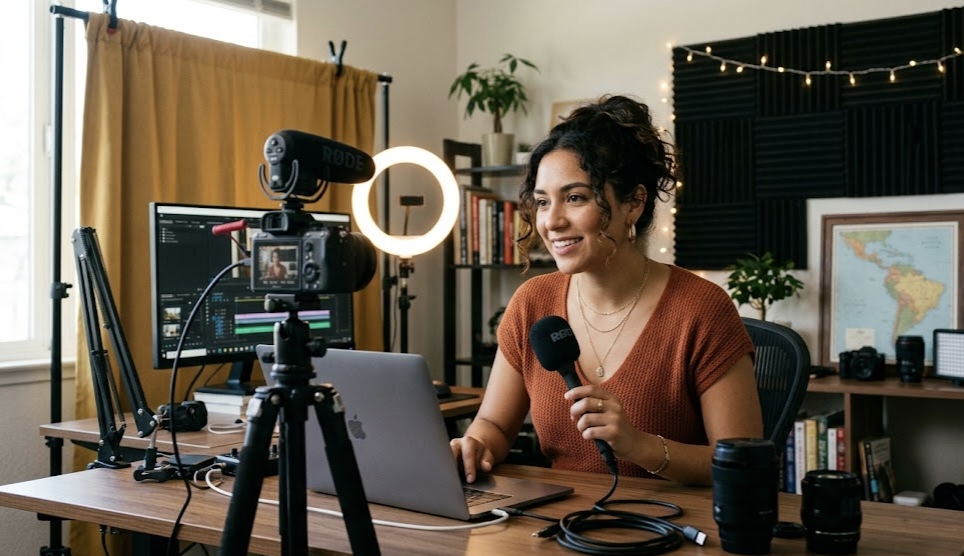

Online creator culture has expanded far beyond traditional social media. Today, people discover personalities through search engines, creator platforms, online communities, and recommendations shared across different digital spaces. As this ecosystem grows, specific search phrases can attract attention and develop their own online audiences.
Erome Latina is one such phrase. It combines a platform-related term with a broad cultural category, which means different users may have different reasons for searching it. Some may be interested in Latina creators, others may be researching digital trends, while some may simply want to understand why the phrase appears in search results.
Understanding the context behind the keyword provides a more useful perspective than assuming it refers to one particular creator or type of content.
The Rise of Latina Creators Online
Latina creators have become an important part of modern digital culture. Across social media and creator platforms, audiences can find personalities producing content around fashion, beauty, lifestyle, entertainment, photography, travel, fitness, and many other interests.
One of the biggest advantages of the internet is that creators can reach audiences far beyond their local communities. A creator based in Latin America, the United States, or another country can build an international audience through consistent online publishing.
This global reach has also influenced the way people search.
Instead of searching only for a general topic, users may combine a cultural term with a platform name, creator name, or content category. This can produce highly specific searches such as Erome Latina.
Why Specific Keywords Gain Attention
Search trends often begin with curiosity.
A user may encounter a creator through social media and then search for additional information. Another user may see a discussion in an online community and want to understand the subject. Someone else might come across the keyword itself and search for an explanation.
When enough people perform similar searches, the phrase can become more visible across search engines.
Websites may then publish articles addressing the topic, creating even more pages for search engines to discover. This is one reason relatively niche keywords can develop noticeable search activity.
Erome Latina as a Search Category
The phrase should not automatically be interpreted as referring to one individual.
“Latina” is a broad term that can describe creators from many different backgrounds, while Erome is associated with online creator content. Combining the two creates a category-style search rather than necessarily identifying a particular person.
This distinction matters because search results can contain information from many unrelated sources.
A page mentioning a keyword does not prove that every person, profile, image, or piece of content appearing alongside that phrase is officially connected to the platform.
How People Discover Digital Creators
Creator discovery usually happens across several stages.
A person might first encounter a creator through a social media recommendation. After becoming interested, they may search the creator’s name. From there, they might discover additional profiles, interviews, community discussions, or creator-platform pages.
This creates a network of connected searches.
The process can also work in reverse. Someone searching for a category such as Latina creators may discover individual personalities they had never encountered before.
Digital platforms have therefore made creator discovery much more dynamic than it was in the past.
Why Search Context Matters
Search engines provide access to enormous amounts of information, but not every result has equal value.
Some websites publish detailed and carefully researched material. Others may create short pages primarily to capture traffic from popular keywords.
When researching Erome Latina, readers should consider the quality of the source rather than simply choosing the first result.
Useful questions include:
- Who published the page?
- Is the information current?
- Does the website provide useful context?
- Are important claims supported?
- Is the page clearly connected to the subject?
- Does the content appear copied from another source?
Taking these steps can reduce confusion and help users find better information.
The Importance of Creator Privacy
The growth of creator platforms has also created new privacy challenges.
Digital content can be copied and redistributed very quickly. A creator may publish something for a specific audience, only for screenshots or reposts to appear elsewhere.
Users should therefore respect the difference between publicly shared material and private information.
Creators should not be identified through unverified claims, and private personal details should not be distributed simply because someone discovers them online.
Responsible browsing benefits both audiences and creators.
Exploring Erome-Related Information
Readers who want to understand more about the platform and related digital-content topics can visit EromeBase.
The site can also serve as a starting point for exploring other creator-related search topics.
Previous guides have covered phrases such as Kaia Kitsune Erome, Emily Cocea Erome, and other creator-focused searches. Looking at different examples helps demonstrate how individual names and broader categories can become connected with platform-related searches.
The Role of Social Media in Search Trends
Social media is one of the biggest drivers of modern search behavior.
A creator can post something that attracts attention, and followers may immediately search for additional information. A discussion can then spread across other platforms, creating new search combinations.
This means search trends often reflect conversations happening outside search engines.
The keyword Erome Latina may therefore be influenced by activity across multiple digital communities rather than by one single website.
Separating Trends From Facts
A popular search term should not automatically be considered a confirmed fact.
Search volume tells us that people are interested in a phrase, but it does not explain why they are searching for it or whether every result associated with the phrase is accurate.
This is particularly important when searches involve individual creators.
A responsible reader should distinguish between:
Search interest: people are looking for a phrase.
Online discussion: websites or communities are talking about it.
Verified information: reliable sources confirm a specific claim.
These are three different things.
How Creator Culture Is Changing
The creator economy continues to develop as new platforms and communities appear.
Creators now have more ways to communicate directly with audiences, build recognizable brands, and distribute digital content. Audiences also have more control over what they discover and follow.
At the same time, the growing number of platforms means information can become fragmented.
A creator may have several accounts, while third-party websites may discuss the same person without being officially connected.
This makes careful research increasingly valuable.
Looking Ahead
Search trends surrounding creator categories such as Latina creators are likely to continue growing as digital communities become more international.
Users will continue searching for specific combinations of names, cultures, platforms, and content categories.
For websites covering these subjects, the strongest approach is to provide meaningful information rather than simply repeating popular keywords.
For readers, the best strategy is equally straightforward: evaluate sources, verify important information, respect privacy, and understand the context behind a search.
Final Thoughts
Erome Latina represents a broader shift in how people discover creators and digital content.
Rather than being limited to one individual or one type of material, the phrase can be understood as part of a wider search category connecting Latina creator culture with platform-based content discovery.
As the online creator economy continues to grow, these types of searches will become increasingly common. Understanding how search trends develop—and knowing how to separate reliable information from speculation—can help users navigate the modern digital landscape with greater confidence.